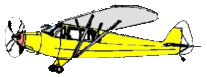
Montana is an ideal place to purchase airplanes: the climate is dry so airframes do not have significant problems with corrosion. However, aircraft stored in an open field may have mice in them. These rodents sometimes eat aircraft wiring harnesses, so plan for this possibility. I am readily available to inspect certified and experimental aircraft from the Piper J3 Cub to the Cessna Caravan.
Before leaving to inspect an aircraft, ask the owner the following questions:
1. Are all the airframe, engine, and propeller logbooks available for review? Ensure the serial numbers in the logbooks match the identification plates on the aircraft. Finally, ensure the plates are not missing and are authentic.
2. When was the last flight for the aircraft? If the aircraft has not flown in twenty years, the engine might be okay especially if it was stored in a hangar. Even if the aircraft was outside the entire time, there is a chance it would last. However, be aware an engine can pass a pre-buy inspection and even an annual inspection but have problems soon after it starts flying. The problems could start 10, 100, or 200 hours later, so be prepared for engine work or overhaul.
3. Ask the owner several times what are the discrepancies of the aircraft.
4. If the aircraft is a Piper Cherokee, ask for detailed pictures of the floor area beneath the copilot seat. To explain, the door seal on the Piper Cherokee sometimes leaks causing severe corrosion on the floor of the aircraft.
5. Ask the owner to fill the fuel tanks completely before inspection so that a pre-inspection leak check may be performed. Some fuel tanks leak and require expensive repairs to properly fix.
6. Try to determine if the fuel quantity indicators have any problems by talking with the owner or performing a test. Drain the fuel in the tanks using the fuel tank sump drains. Then ensure the fuel quantity indicators read zero.
7. Ensure the airworthiness certificate is not lossed and the information is accurate. Also, inspect the aircraft logbooks to identify any missing logbooks and ensure the logbook serial numbers match the information found on the aircraft data plates.
8. Ensure a list is compiled listing life limited parts.